The Helsinki District Court has formally approved the bankruptcy liquidation application of Indoor Group, together with its time-honored furniture manufacturing subsidiary Insofa, marking a major transformation in Finland’s local home furnishing distribution sector.
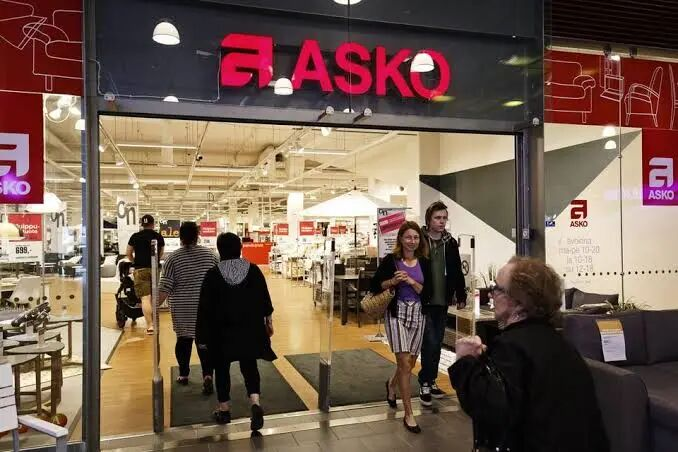
The Group owns two retail brands deeply rooted in Finnish generations: Asko, founded in 1918 as a high-end furniture brand featuring original Nordic solid wood furniture design; Sotka, established in 1959 for mass-market consumers, covering ordinary Finnish households with cost-effective furniture products.
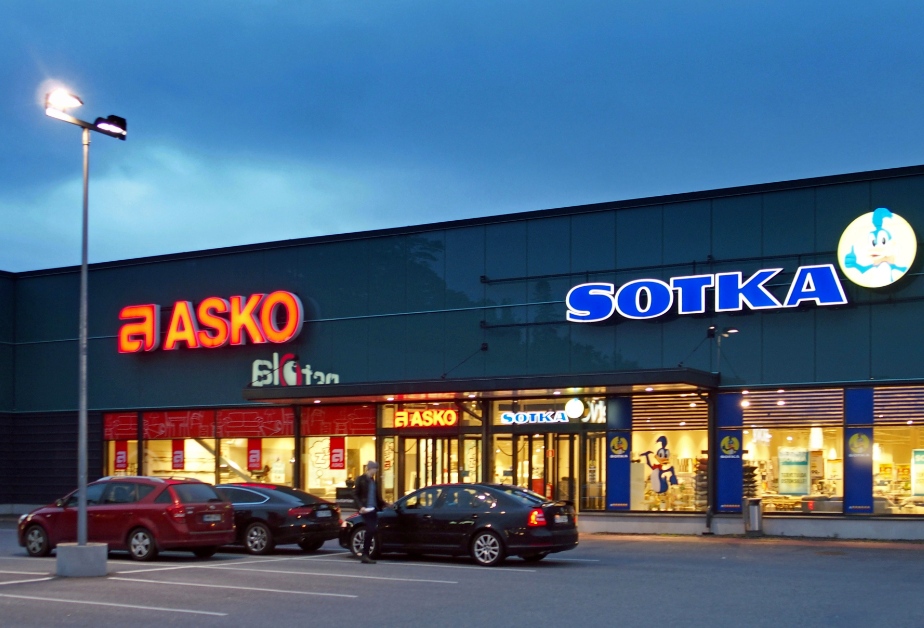
The operation businesses of the two brands merged in 1999. In 2017, Finnish private equity firm KH Group acquired them and integrated the complete Indoor Group home furnishing conglomerate, forming an integrated operation model covering manufacturing, offline chain stores and online mall at its peak.
The direct trigger of bankruptcy stemmed from debt disputes with upstream suppliers: furniture manufacturer Unico Finland filed a court petition in January 2026 to initiate bankruptcy verification against Indoor Group, as over 1 million euros of payment had been overdue for a long time.
The management carried out multiple self-rescue measures including equity restructuring, debt reorganization and external financing negotiations for months. However, the superposition of severe macroeconomic and operational pressures ultimately failed to reverse the drying-up cash flow:
1. Persistent high inflation suppressed residents’ consumption confidence, while the continuous cooling of Nordic real estate market greatly reduced demand for large furniture replacement and new house supporting furniture;
2. The asset-heavy full-industry chain model faced huge pressure. High fixed costs from offline store operation and self-owned factories continuously squeezed retail profits, creating a vicious cycle of arrears between upstream and downstream links;
3. Global cross-border e-commerce affordable furniture brands diverted steady customer flows from traditional offline chain stores, and revenue from online channels could not cover overall losses.
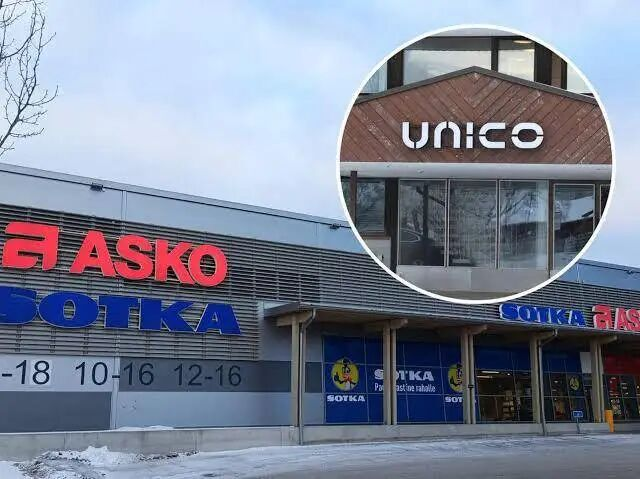
Upstream & Downstream Chain Risks Triggered by Bankruptcy
After the launch of bankruptcy liquidation procedures, more than 70 offline stores of the Group launched clearance sales, and over 500 employees faced unemployment. Nearly 20,000 fully pre-paid customer orders remained undelivered, and most buyers could hardly receive goods or recover payment.
During asset disposal, multiple overseas furniture purchasers and local home furnishing enterprises are evaluating the acquisition value of Asko, Sotka, warehousing & logistics systems and core store assets. The Nordic furniture market will enter an in-depth adjustment cycle featuring brand split and channel reconstruction.
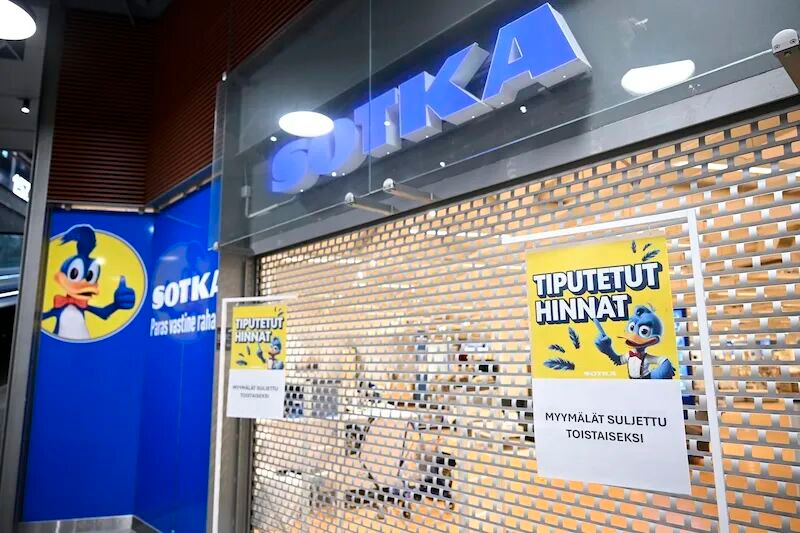
The Core Warnings for Chinese Foreign Trade Solid Wood Furniture Factories from the Collapse of Nordic Industry Giant
As an original factory with over 20 years of experience in solid wood furniture export , our factory set up a traditional solid wood handcraft team in 2001 and launched overseas furniture export business in 2006.
We specialize in tenon-and-mortise solid wood furniture, hand-carved customized sofas, upholstered beds, terrazzo light luxury side tables and other best-selling home furnishing products for Europe and America.
Combined with the bankruptcy case of Indoor Group, we summarized fatal risks that must be avoided for long-term overseas home furnishing trade:
1. Risk of Over-reliance on Single Market: Excessive dependence on Nordic regional market will directly impact revenue base once local real estate and consumption decline;
2. Trap of Asset-heavy Full-industry Chain: Self-operated large-scale offline stores and self-built asset-heavy manufacturing plants will exhaust cash flow rapidly under market downturn due to high fixed costs;
3. Homogenized Low-price Competition Trap: Without craft barriers and only relying on low-price bulk sales, orders will be continuously diverted by e-commerce platforms and overseas local factories, leading to shrinking profit margins with no risk buffer.
FAQ
Q1: Why did Finland’s largest furniture group Indoor Group declare bankruptcy?
A: Multiple factors including high inflation, cooling real estate market, asset-heavy store operation model, massive overdue supplier payments and e-commerce competition jointly triggered the collapse of capital chain.
Q2: How can Chinese solid wood furniture factories avoid supply chain debt risks?
A: Adopt tiered deposit cooperation, classify customer credit ratings, balance upstream and downstream payment cycles and control the pressure of mass inventory.
Q3: What advantages does Notting Hill Factory have for Nordic furniture wholesale?
A: We supply customized minimalist solid wood furniture with hand-carved tenon-and-mortise craftsmanship, flexible small-batch production and multi-region market matching solutions. Visit https://www.zjnottinghill.com/ to view complete product catalogs.
Q4: How should export manufacturers respond to the downturn of European furniture market?
A: Diversify overseas market layout, develop high-value customized products, build digital channels via independent websites and strictly control cash flow and inventory costs.
The End
If you are an overseas furniture retailer, hotel engineering purchaser or interior designer searching for stable solid wood furniture suppliers with sound risk prevention systems, browse our full range of customizable home furnishing products on the official website: https://www.zjnottinghill.com/, and contact us to obtain product catalogs and factory cooperation plans.
Post time: Jul-03-2026


